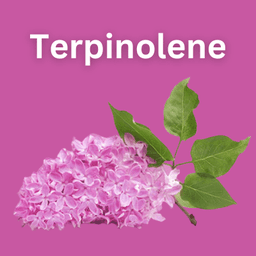

Terpinolene is a cannabis terpene found in many strains of the cannabis plant. It is recognizable for its woody aroma, along with citrus and floral notes. Terpinolene is a cyclic monoterpene, common to Pinus spp., but richest in parsnip essential oil. It is also found in citrus fruit oils from orange species such as navel, bergamot, mandarin, sweet orange, and tangerine.
Terpinolene has several effects on the body when consumed through cannabis products. It has been known to act as an antioxidant and anti-inflammatory agent and may have mild sedative properties. Additionally, it can be used to help reduce stress and anxiety levels.
Aroma & Flavor Profile
Terpinolene delivers one of the most multidimensional scent profiles of any cannabis terpene. Its aroma layers pine and wood with fresh citrus zest and a floral, slightly herbal finish — more complex than the purely piney α-pinene or the purely citrusy limonene. This layered quality makes terpinolene-dominant strains popular among consumers who want a rich sensory experience. In flavor, expect clean piney notes with a subtle sweetness and lingering citrus on the exhale.
Cannabis Strains High in Terpinolene
Terpinolene is less common as the dominant terpene than myrcene or limonene, which makes terpinolene-rich strains stand out. Jack Herer, Ghost Train Haze, XJ-13, Dutch Treat, and Chernobyl are well-known examples. These strains are frequently described as uplifting and cerebral — a pattern consistent with terpinolene's mild stimulating properties at lower doses.
Terpinolene and the Entourage Effect
Terpinolene's interaction with THC and CBD is particularly interesting because it can modulate the sedative tendencies of myrcene-heavy strains. When terpinolene is present alongside THC in balanced proportions, the overall experience often feels more clear-headed and focused than a pure myrcene-dominant profile. This makes terpinolene an important terpene to understand when selecting a strain for daytime use or creative activities.
Potential benefits of Terpinolene:
- Stress and anxiety relief — may calm the nervous system at moderate doses
- Sleep support — higher concentrations may promote relaxation and sleep onset
- Antioxidant action — may protect cells from oxidative damage
- Antibacterial and antifungal properties — active against common pathogens
- Anti-inflammatory effects — may reduce swelling and pain
- Anticancer potential — early in vitro studies suggest antiproliferative activity
- Mood uplift — associated with clear-headed, uplifting cannabis experiences

.png&w=256&q=75)