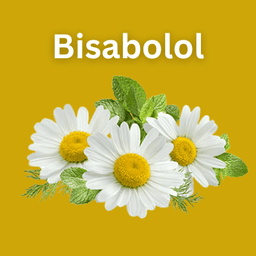
Cannabis terpene Bisabolol is a naturally occurring chemical compound found in the cannabis plant, as well as in chamomile flowers. It is a secondary terpene, meaning it is present in smaller amounts than primary terpenes such as myrcene and limonene. Bisabolol has a warm floral aroma with nutty or peppery undertones.
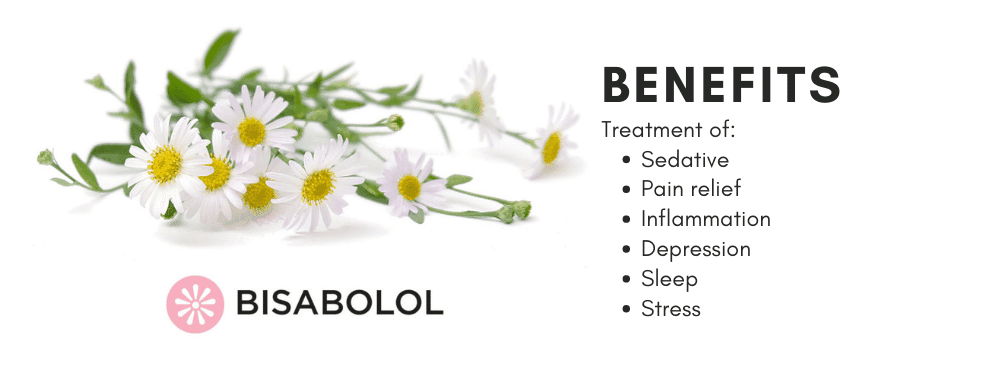
Bisabolol has many beneficial properties that make it an important component of cannabis products. It acts as a skin-soothing agent, reducing discoloration and fading properties. Additionally, it can stimulate receptors in the gastrointestinal tract to help with digestion and reduce inflammation. Studies have also shown that bisabolol can act as an anxiolytic, helping to reduce anxiety and promote relaxation.
Overall, bisabolol is an important terpene that contributes to the therapeutic effects of cannabis products. Its calming and anti-inflammatory properties make it an ideal addition to any cannabis product for those looking for relief from stress or inflammation.
Cannabis terpene bisabolol has many beneficial properties. Here is a list of some of its most notable benefits:
- Skin-soothing and calming agents
- Reduces discoloration and fading properties
- Stimulates gastrointestinal tract receptors
- Mood-calming effects
- Promotes feelings of relaxation
- Wound healing properties
Aroma and flavor profile
Bisabolol is the scent of a chamomile tea bag: soft, sweet, and floral with a faint honey and pepper edge. It is best known as an active ingredient in chamomile, and it has been a cosmetics-industry staple for decades precisely because it is gentle — you will find it in after-sun lotions, sensitive-skin creams, and baby products.
In cannabis it is a secondary terpene, present in smaller quantities than myrcene or limonene, so its contribution is a delicate floral layer rather than a lead note.
What the research says
Bisabolol's resume comes mostly from dermatology and preclinical research. It is a well-documented skin-soother with anti-inflammatory and antimicrobial activity, and it enhances skin penetration — one reason formulators pair it with other actives. Animal studies have reported anti-anxiety and gastroprotective effects, echoing chamomile's centuries of folk use as a calming tea.
The cannabis-specific evidence is early, as always, but the direction of the research matches the traditional use: calming, soothing, and anti-inflammatory. It is a terpene to watch in topicals more than in flower.
Consumption and storage notes
Because bisabolol appears in cannabis at low concentrations, you are more likely to meet it as a supporting note in a COA than as a headline. If skin-soothing potential is what drew you here, look at topicals as well as flower — that is the format where bisabolol's cosmetic track record actually applies.
Shopping for bisabolol-rich strains at Atrium
Harle-Tsu and ACDC — both CBD-leaning cultivars — are commonly cited as bisabolol carriers, and some Pink Kush and Oracle phenotypes show it too. It is rarely listed on a jar, so this is a COA conversation: ask a budtender to scan current batches, or start from the menu and filter toward calming, floral profiles.
.png&w=256&q=75)