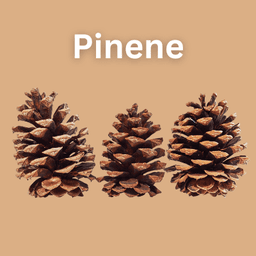
Pinene is one of the most common terpenes found in cannabis plants. It has a distinct pine-like aroma and flavor, and is known for its anti-inflammatory, bronchodilator, and memory-enhancing properties. Pinene is also believed to help counteract some of the effects of THC, such as anxiety and short-term memory loss.
It may also help increase alertness and energy levels. Pinene can be found in both alpha-pinene and beta-pinene forms, with the latter being more commonly found in cannabis strains. Both forms have similar effects on the body, but alpha-pinene is thought to be more effective at providing relief from inflammation and respiratory issues.
Pinene is a cannabis terpene that offers many benefits. Here are some of the most notable:
- Aromatherapy: Pinene has an earthy, pine-like aroma that can be used for aromatherapy to help reduce stress and anxiety.
- Anti-inflammatory: Pinene has anti-inflammatory properties which may help reduce inflammation in the body and improve overall health.
- Antioxidant: Pinene is a powerful antioxidant that can help protect cells from damage caused by free radicals.
- Bronchodilator: Pinene acts as a bronchodilator, helping to open up airways and improve breathing in those with asthma or other respiratory conditions.
- Memory Enhancer: Studies have shown that pinene may help improve memory and cognitive function, making it beneficial for those with Alzheimer’s or dementia.
- Pain Relief: Pinene has analgesic properties which may help provide relief from pain and discomfort associated with chronic conditions such as arthritis or fibromyalgia.
- Sleep Aid: Pinene has sedative effects which can help promote relaxation and better sleep quality in those who suffer from insomnia or other sleep disorders.
Aroma and flavor profile
Pinene is exactly what it sounds like: a conifer forest after rain. It comes in two forms — alpha-pinene, which smells like fresh pine needles and rosemary, and beta-pinene, which is woodier and more herbal, closer to basil or dill. Both show up in cannabis, and both are everywhere in nature: pine trees, rosemary, basil, parsley, and orange peels.
Strains with a strong pinene streak smell sharp, clean, and resinous — the opposite end of the spectrum from sweet, fruity cultivars.
What the research says
Pinene has one of the more interesting research profiles among terpenes. It has been studied as a bronchodilator — alpha-pinene appears to help open airways in preclinical models — and as an anti-inflammatory. The finding consumers talk about most, though, is memory: early research suggests pinene may counteract some of the short-term memory impairment associated with THC, which is one proposed reason pinene-rich strains are often described as "clear-headed."
That "alert and focused" reputation is the common thread in consumer reports too. As with all terpene science, the human cannabis-specific trials are still ahead of us — but pinene's effects in aromatherapy and respiratory research are comparatively well documented.
Consumption and storage notes
Alpha-pinene vaporizes around 155–156°C (311–313°F), the lowest boiling point of the major cannabis terpenes — it is the first aroma off the plant and the first to leave a poorly sealed jar. If you are temperature-stepping a vaporizer, the opening draws at low temp are where the pine lives.
Shopping for pinene-rich flower at Atrium
Jack Herer is the famous pinene carrier, and Blue Dream and many OG phenotypes test high in it as well. Anything described as "piney," "forest," or "resinous" on the flower menu is worth a look, and the batch COA settles it — ask a budtender to check the terpene panel before you commit.
.png&w=1200&q=75)
.png&w=256&q=75)