Pure Beauty
We rarely think of existence. Where do we come from and why? More importantly where does our weed come from? Do you care? You should care. Even if you care a tiny bit you will have deep love for our flower. All of the water used in our cultivation is collected from the air, we pull no water from California tap. Why? Because a single cannabis plant needs approximately 150-250 gallons of water to reach flowering state. Our cultivation has no runoff; even “safe” fertilizers and nutrients will contaminate surrounding water supplies making life inhabitable for indigenous species. And we love animals. We also love bugs and use them, like rolly pollys, earthworms and nematodes along with friendly bacteria, fungi and protozoa to create a “soil food web” which helps naturally prevent disease and plant-eating predators by working with the plant to provide nutrients and protection. And when we are done we donate all used soil to public parks. Because why not? Parks are great and we should all support them. And yes, we talk to our flower. These thoughtful cultivation practices and the good energy surrounding our flower in their life cycle creates robust terpene profiles, with a strong nose that—when you smoke it—you will understand the world in a different way.
Pure Beauty Cannabis CBD & Flower
10 products
Pure Beauty
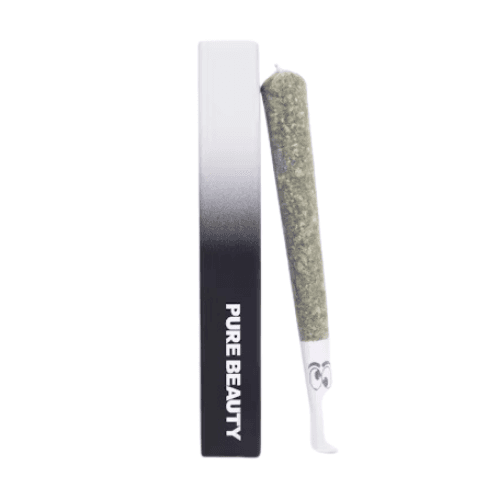
Canal St Runtz Pink Box 1g Preroll
Pure Beauty
Black Box 1g Solventless Preroll
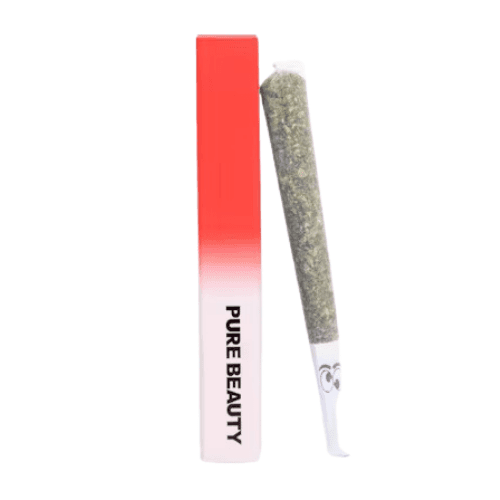
Pure Beauty
Pink Box 1g Solventless Preroll
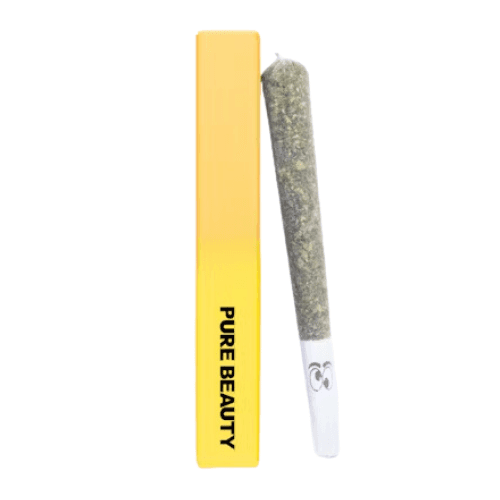
Pure Beauty
Yellow Box 1g Solventless Preroll
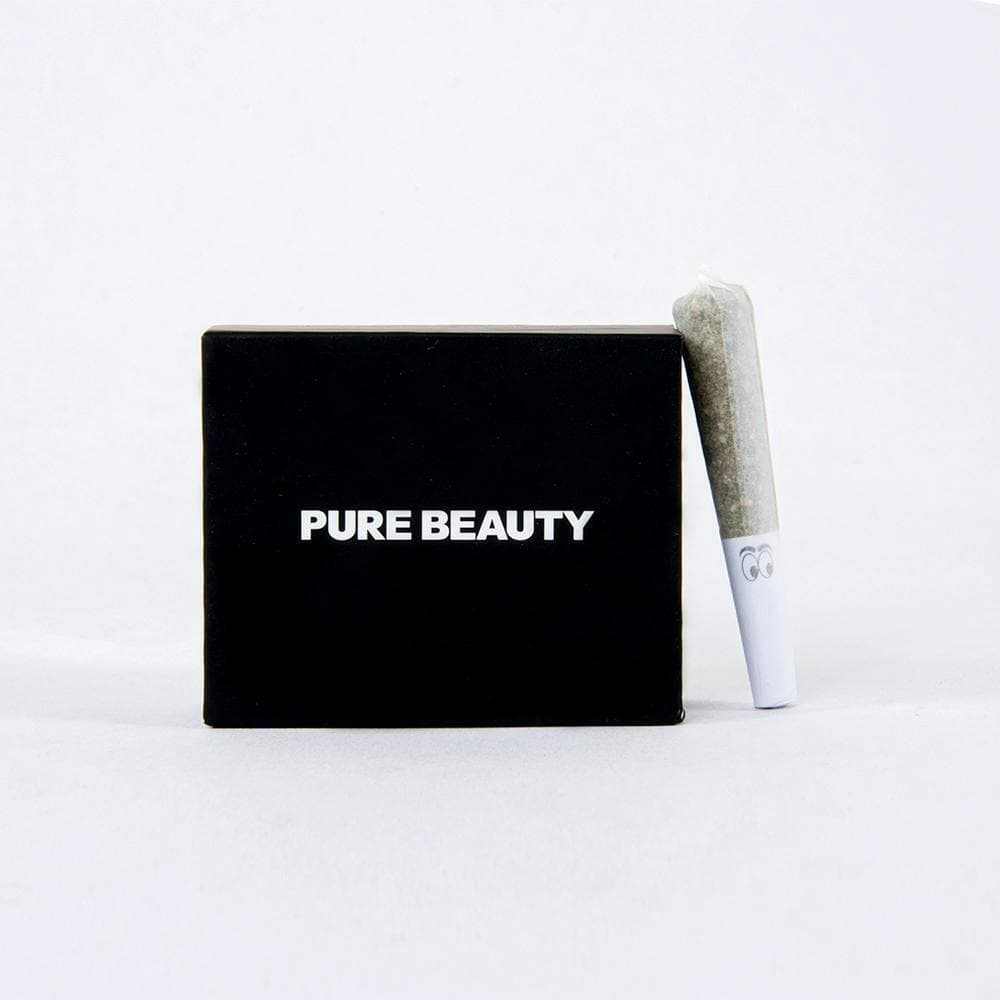
Pure Beauty
(H) Black Box Hybrid 3.5g 10pk Babies Prerolls
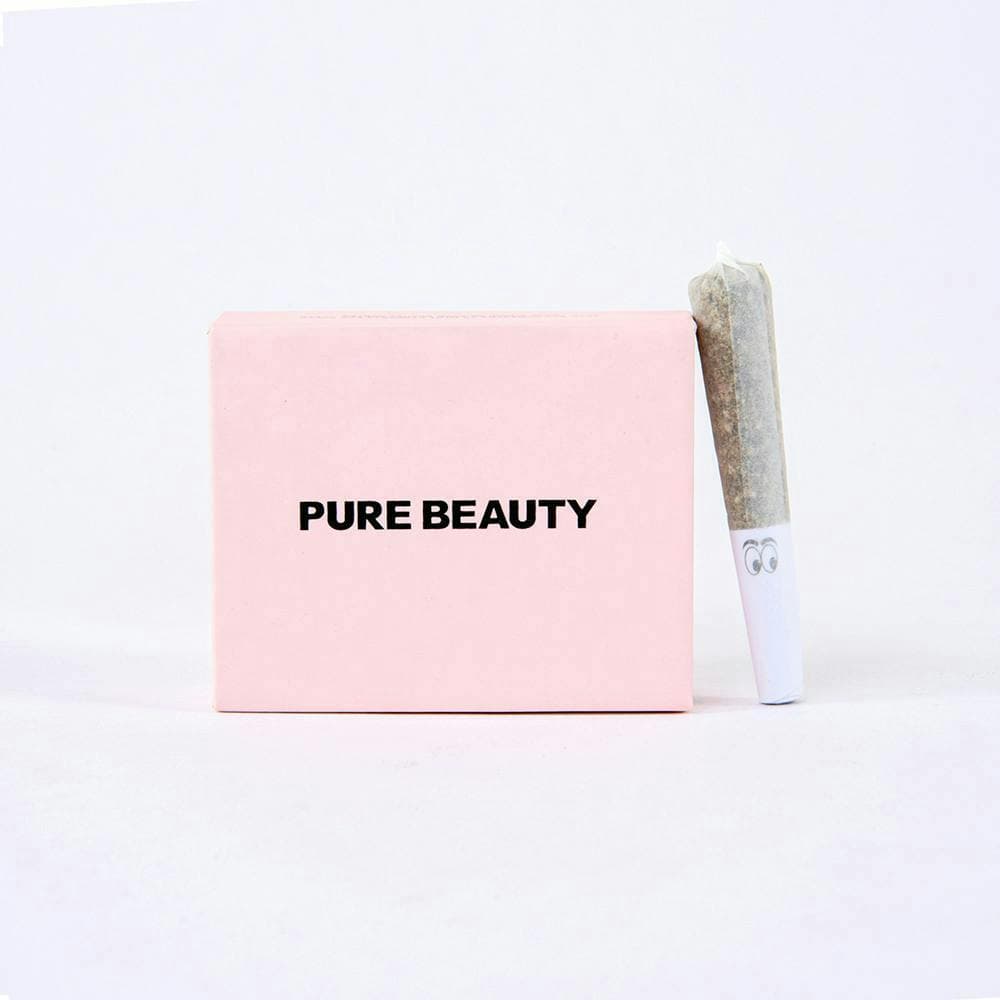
Pure Beauty
(I) Pink Box Indica 3.5g 10pk Babies Prerolls
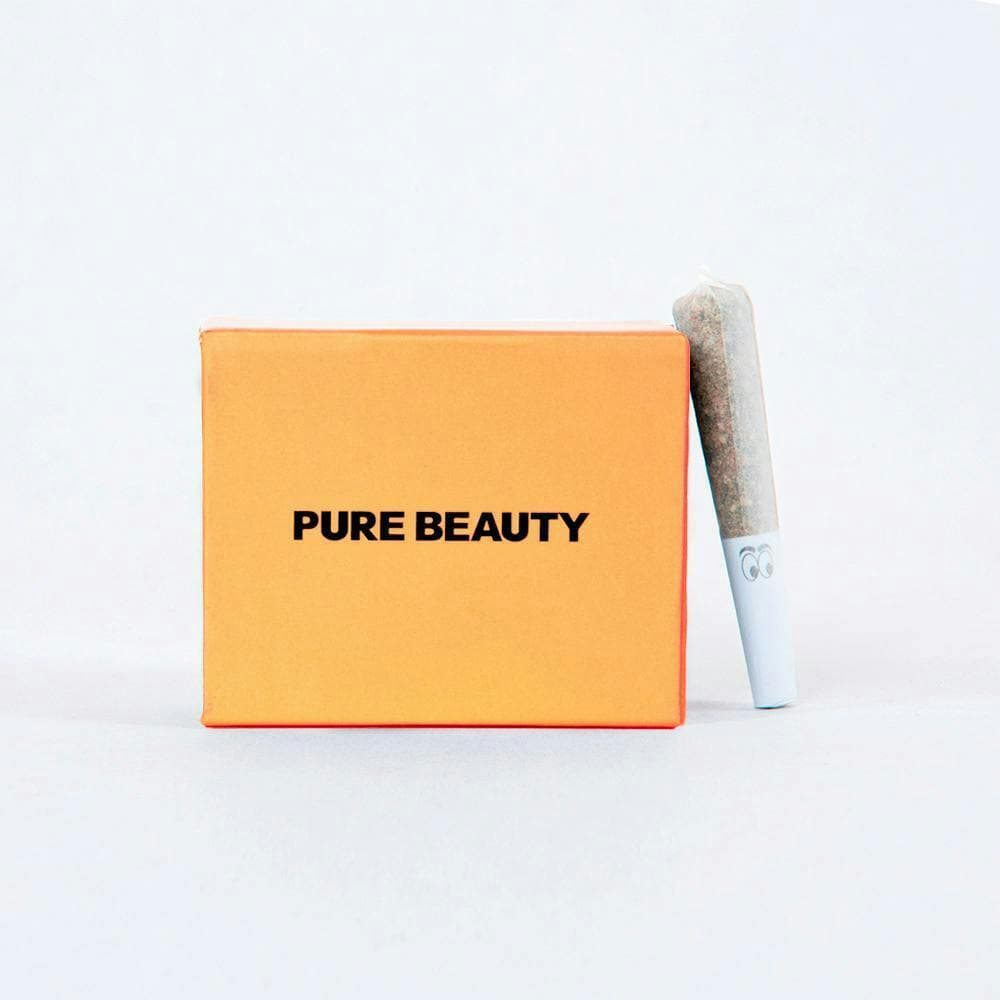
Pure Beauty
THCv Babies 3.5g 10pk Babies Prerolls
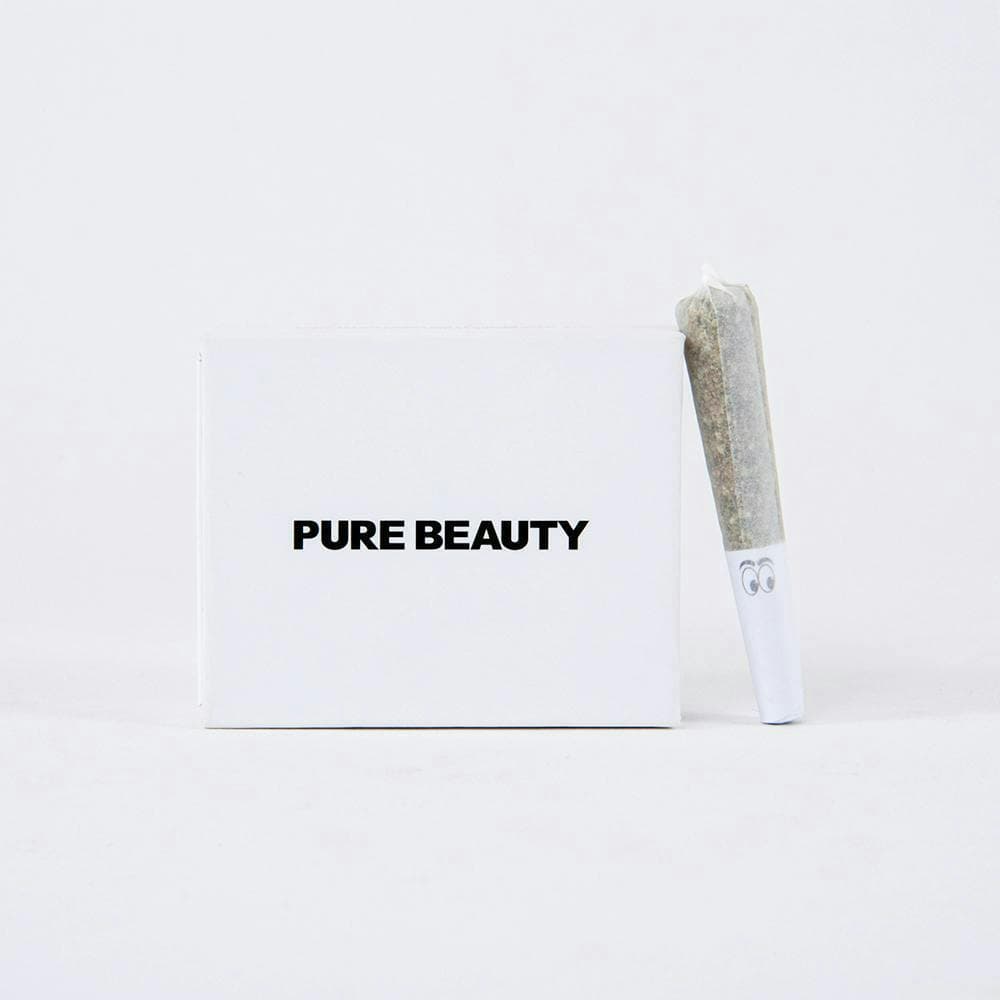
Pure Beauty
CBD White Box 3.5g 10pk Babies Prerolls
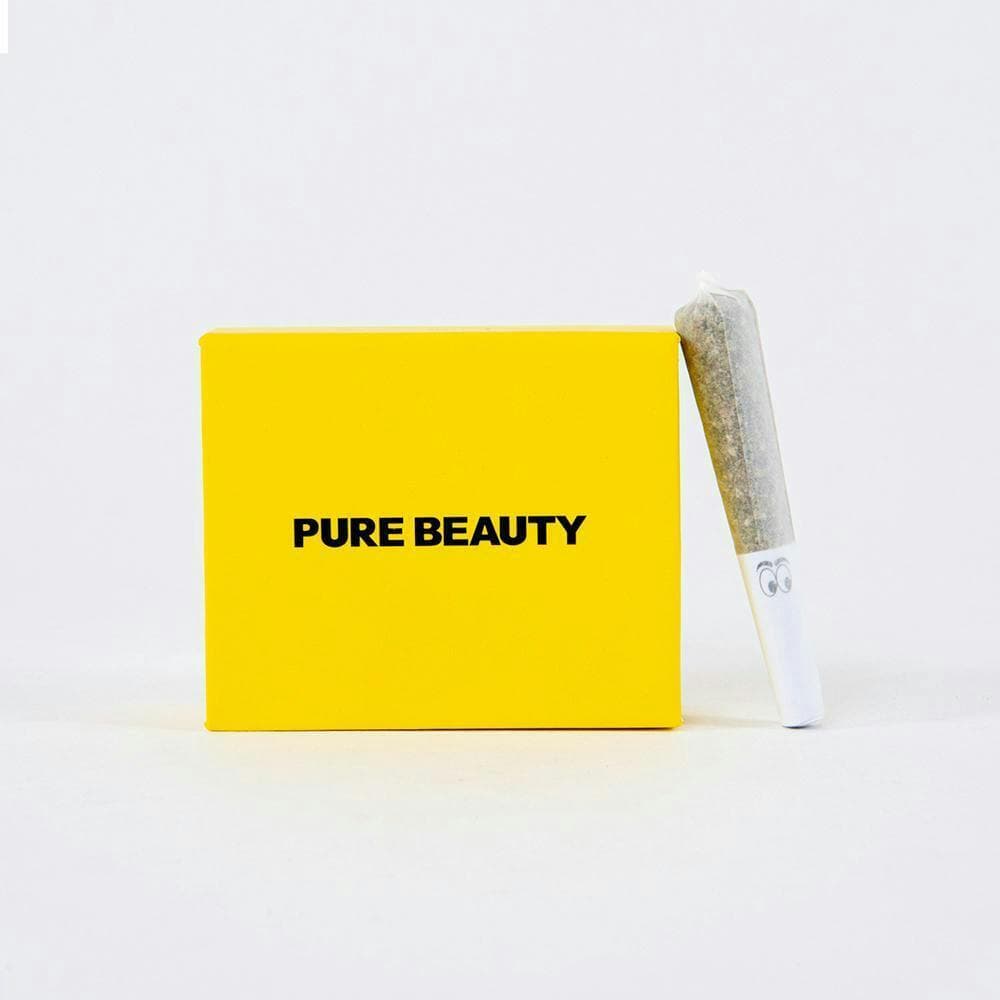
Pure Beauty
(S) Yellow Box Sativa 3.5g 10pk Babies Prerolls
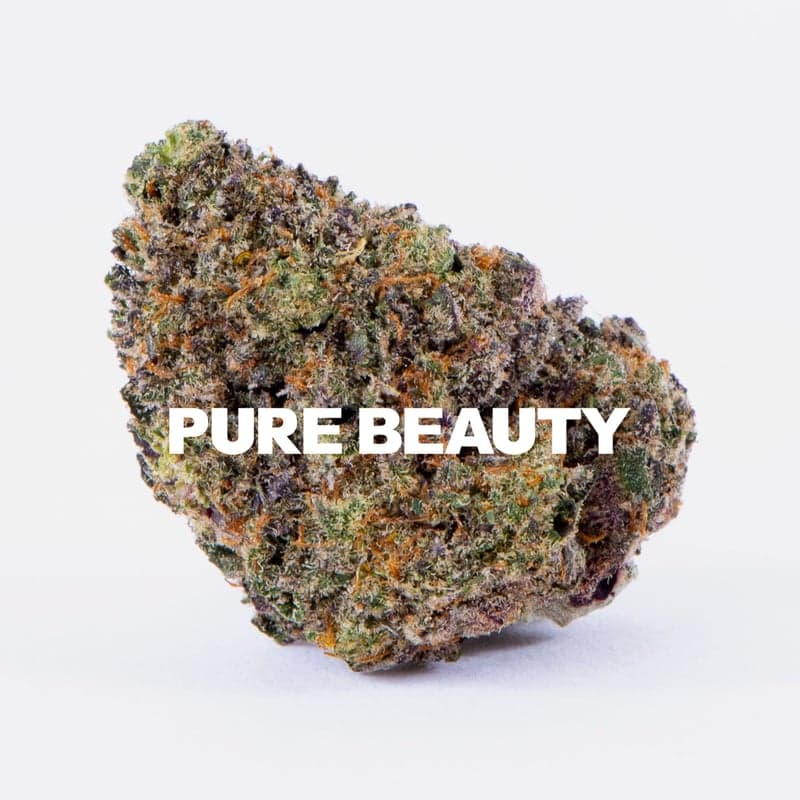
Pure Beauty
CBD: Terry T x Gelato 33 3.5g Flower
A Quick Guide to CBD Products
CBD (cannabidiol) is the second most-studied cannabinoid in cannabis after THC — and unlike THC, it's non-intoxicating. You can take CBD throughout the day without experiencing a high, which is why it's become one of the most popular cannabinoid formats for daily wellness use. Common applications include sleep support, anxiety reduction, post-exercise recovery, joint inflammation, and chronic pain management.
CBD products come in three formulations that consumers should understand. Full-spectrum CBD includes all naturally-occurring cannabinoids and terpenes from the source plant, including trace THC (under 0.3%). Broad-spectrum contains the same compounds minus THC. Isolate is 99%+ pure CBD with no other cannabinoids. Many users find full-spectrum more effective due to the "entourage effect" — the theory that whole-plant compounds work better together than CBD alone. Isolate appeals to those who need to avoid any THC exposure (drug testing, sensitivities).
Effective CBD doses vary widely by individual. Many people find relief at 10–25mg for relaxation and sleep; chronic pain or anxiety can require 50–200mg. CBD has a long half-life (18–32 hours), so consistent daily dosing builds steady cannabinoid levels — most people give a routine 1–2 weeks before judging effectiveness. CBD also interacts with the liver enzymes that metabolize many prescription medications (similar to grapefruit juice), so consult your doctor if you take prescription drugs. Atrium carries CBD tinctures, capsules, edibles, topicals, and pet products from California's most-trusted CBD brands.
About CBD Products
What is CBD?
CBD (cannabidiol) is the second most-studied cannabinoid in cannabis after THC. Unlike THC, CBD is non-intoxicating — it won't produce a high. CBD is used for sleep, anxiety, inflammation, pain, and seizures (the FDA has approved a CBD medication for certain epilepsy disorders).
What's the difference between CBD from hemp and CBD from cannabis?
Chemically, the CBD molecule is identical. The difference is legal status and the source plant. Hemp-derived CBD (less than 0.3% THC) is federally legal under the 2018 Farm Bill. Cannabis-derived CBD (sold at California dispensaries) often contains higher CBD concentrations and may include legal THC for a full-spectrum experience.
What's the difference between full-spectrum, broad-spectrum, and isolate CBD?
Full-spectrum contains all cannabinoids including up to 0.3% THC. Broad-spectrum contains multiple cannabinoids but no THC. Isolate is 99%+ pure CBD with no other cannabinoids. Many users find full-spectrum more effective due to the entourage effect, while isolate appeals to those avoiding any THC exposure.
Will CBD show up on a drug test?
Pure CBD isolate should not trigger a positive drug test — standard tests look for THC metabolites, not CBD. Full-spectrum CBD contains trace THC (under 0.3%), which can accumulate with daily heavy use and potentially trigger a positive test. If you're subject to testing, choose isolate or broad-spectrum products.
How much CBD should I take?
Effective doses vary widely — 10–25mg works for many people for relaxation and sleep; higher doses (50–200mg) may be needed for chronic pain or anxiety. Start with the lowest dose on the label, take it consistently for 1–2 weeks, and adjust based on results. CBD is generally well-tolerated even at high doses.
When does CBD work best?
CBD has a relatively long half-life (18–32 hours), so daily consistent dosing builds steady levels. Many users take CBD in the morning for daytime relaxation or in the evening for sleep. Sublingual tinctures act fastest (15–45 min); capsules and edibles take longer (60–120 min) but last longer.
Are there side effects of CBD?
CBD is generally well-tolerated. Mild side effects can include drowsiness, dry mouth, diarrhea, or appetite changes — usually at high doses. CBD can interact with medications metabolized by liver enzymes (the same as grapefruit juice), so consult your doctor if you take prescription drugs.
What's the difference between THC and CBD?
THC is the primary intoxicating cannabinoid — it activates CB1 receptors in the brain to produce the cannabis high. CBD doesn't bind directly to CB1 receptors; instead, it modulates the endocannabinoid system more broadly and is non-intoxicating. Many people use them together — CBD softens THC's anxiety potential while preserving therapeutic effects.